
Which Solid Hardwood Species Offer the Most Durability for High Traffic Hallways?
Janka Hardness Ratings
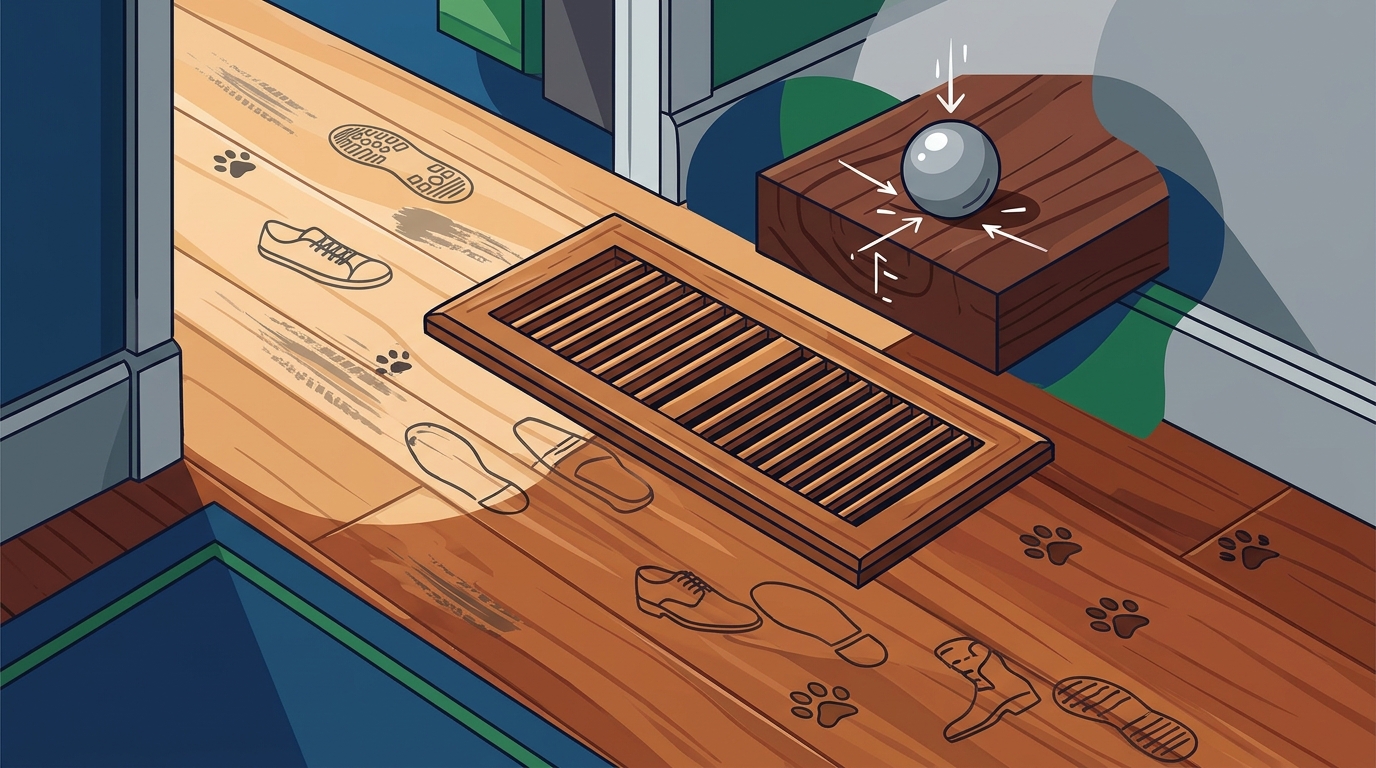
The Janka hardness test is a standardized method for measuring the force required to embed a 0.444-inch steel ball halfway into a piece of wood. This metric provides a reliable indicator of a wood species' resistance to denting and wear, which is critical for high-traffic areas like hallways. A higher Janka rating generally translates to a more durable surface that withstands foot traffic, furniture movement, and pet claws better than softer woods.
Understanding the Scale
Wood species are typically categorized into soft, medium, and hard groups based on their Janka scores. Softwoods and very light hardwoods often fall below 1,000 lbf, while durable hardwoods for flooring usually exceed 1,200 lbf. For a hallway that sees constant use, you should prioritize species with a Janka rating of at least 1,200 lbf to ensure long-term aesthetic integrity.
Why Hardness Matters in Hallways
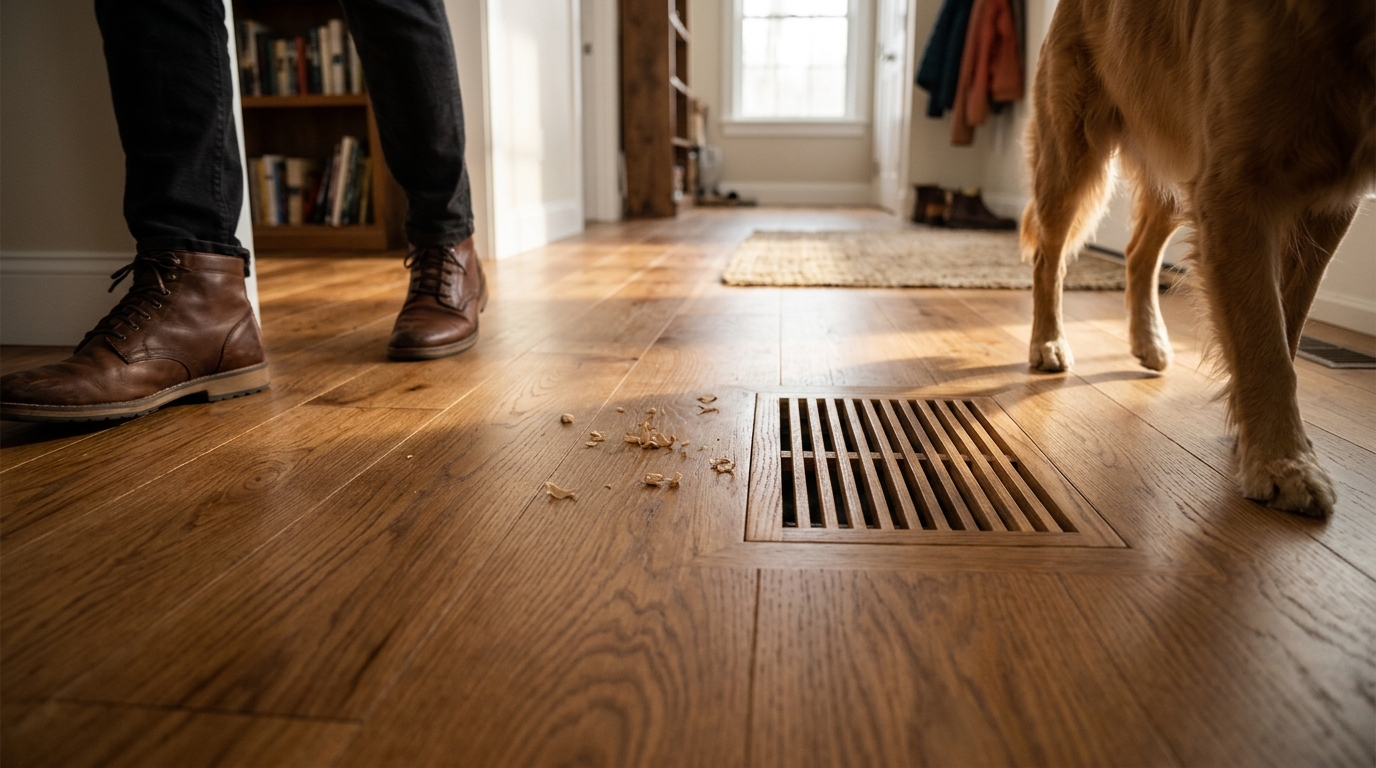
Hallways are narrow corridors where foot traffic is concentrated, making them prone to surface wear. Unlike living rooms where traffic is more dispersed, hallways experience repetitive impact in the same spots. Selecting a wood with a high Janka rating minimizes the visibility of dents and scratches, preserving the finish and structural integrity of the flooring and any integrated components like flush mount air grilles.
Hickory, Maple, and Oak Durability
Hickory: The Hardness Champion
Hickory is widely regarded as one of the hardest domestic hardwoods available, with a Janka rating of approximately 1,820 lbf. Its extreme hardness makes it exceptionally resistant to denting and wear, making it an ideal choice for high-traffic hallways. Hickory also features a dramatic color variation, ranging from light cream to dark brown, which adds visual interest to any space.
Maple: Consistent and Dense
Hard maple is a dense, fine-grained wood with a Janka rating of around 1,450 lbf. It is known for its uniform appearance and excellent stability, making it a popular choice for both flooring and cabinetry. Maple's smooth surface and consistent color make it a versatile option that complements a wide range of interior design styles. Its density ensures it holds up well under heavy use without showing significant wear.
Oak: Balanced Durability and Character
| Wood Species | Janka Rating (lbf) | Key Characteristics | Best For |
|---|---|---|---|
| Hickory | 1,820 | Extreme hardness, dramatic color variation | High-traffic hallways, heavy use |
| Hard Maple | 1,450 | Dense, fine-grained, uniform appearance | Residential flooring, cabinetry |
| White Oak | 1,360 | Straight grain, ray fleck, moisture resistant | General residential use, classic look |
| Red Oak | 1,290 | Warm tone, prominent grain | Residential flooring, budget-friendly |
Exotic Hardwood Alternatives
Brazilian Cherry
Brazilian cherry, also known as Jatoba, is a dense exotic hardwood with a Janka rating of approximately 2,350 lbf. It is one of the hardest woods commonly used in flooring, offering superior resistance to denting and wear. Its rich reddish-brown color deepens over time, adding character to the space. Brazilian cherry is an excellent choice for high-traffic areas where maximum durability is a priority.
Walnut and Other Exotics
Black walnut is a popular exotic hardwood with a Janka rating of around 1,010 lbf. While softer than hickory or maple, it is prized for its rich, dark brown color and straight grain. For hallways, walnut offers a luxurious look but may require more careful maintenance to prevent surface wear. Other exotics like fir and hickory blends can also be considered, depending on the desired aesthetic and budget.
Considerations for Exotic Woods
When selecting exotic hardwoods, consider factors such as sustainability, cost, and availability. Some exotic species are subject to import regulations or may be less stable in certain climates. It is important to work with a reputable supplier who can provide guidance on the specific characteristics and care requirements of the wood you choose. For ventilation components, high velocity covers can be crafted from these species to match your flooring.
Key Takeaways
- Hickory is the hardest domestic hardwood, with a Janka rating of 1,820 lbf, making it ideal for high-traffic hallways.
- White oak is a durable and moisture-resistant option, with a Janka rating of 1,360 lbf, and a classic look.
- Brazilian cherry is an exotic hardwood with a Janka rating of 2,350 lbf, offering superior dent resistance.
- Higher Janka ratings generally correlate with better resistance to denting and wear in high-traffic areas.
- Consider the aesthetic and maintenance requirements of exotic woods when selecting them for your hallway.
- Matching your flooring species with your ventilation components, such as return air slotted grilles, ensures a cohesive design.
- Consult with a professional to determine the best wood species for your specific traffic patterns and design goals.
Frequently Asked Questions
What is the hardest domestic hardwood for flooring?
Hickory is the hardest domestic hardwood, with a Janka rating of approximately 1,820 lbf. It is highly resistant to denting and wear, making it an excellent choice for high-traffic areas like hallways.
How does maple compare to oak in terms of durability?
Hard maple is slightly harder than white oak, with a Janka rating of 1,450 lbf compared to 1,360 lbf. Both are durable options for flooring, but maple is more resistant to denting and has a more uniform appearance.
Are exotic hardwoods worth the extra cost for hallways?
Exotic hardwoods like Brazilian cherry offer superior durability and unique aesthetics, which can justify the higher cost for high-traffic hallways. However, consider the maintenance requirements and sustainability of the species before making a decision.
Can I use the same wood species for my flooring and air grilles?
Yes, using the same wood species for your flooring and air grilles creates a cohesive and seamless look. Custom wood air grilles can be crafted from a wide variety of solid hardwood species to match your flooring.
What is the Janka hardness test?
The Janka hardness test measures the force required to embed a steel ball halfway into a piece of wood. It is a standardized method for comparing the hardness and durability of different wood species.
How do I maintain hardwood floors in high-traffic hallways?
Regular cleaning, using area rugs to protect high-traffic spots, and applying a high-quality finish can help maintain the appearance and durability of hardwood floors in hallways. Avoid using abrasive cleaners or excessive water.
What are the benefits of using solid hardwood for air grilles?
Solid hardwood air grilles offer durability, aesthetic appeal, and the ability to match your flooring. They are crafted with precision to ensure proper airflow and a seamless integration with your home's design.
Where can I find custom wood air grilles?
Cape Cod Air Grilles offers a wide range of custom wood air grilles in various solid hardwood species. They can be tailored to fit your specific size and shape requirements.
Conclusion
Selecting the right solid hardwood species for high-traffic hallways requires balancing durability, aesthetics, and budget. Hickory, maple, and white oak offer excellent domestic options, while exotic woods like Brazilian cherry provide superior hardness and unique character. By understanding Janka hardness ratings and the specific properties of each species, you can make an informed decision that ensures long-lasting performance and visual appeal. For a cohesive design, consider matching your flooring with custom wood components from Cape Cod Air Grilles, which offers a wide range of solid hardwood air grilles tailored to your needs.